- Call Us: 07976 213961
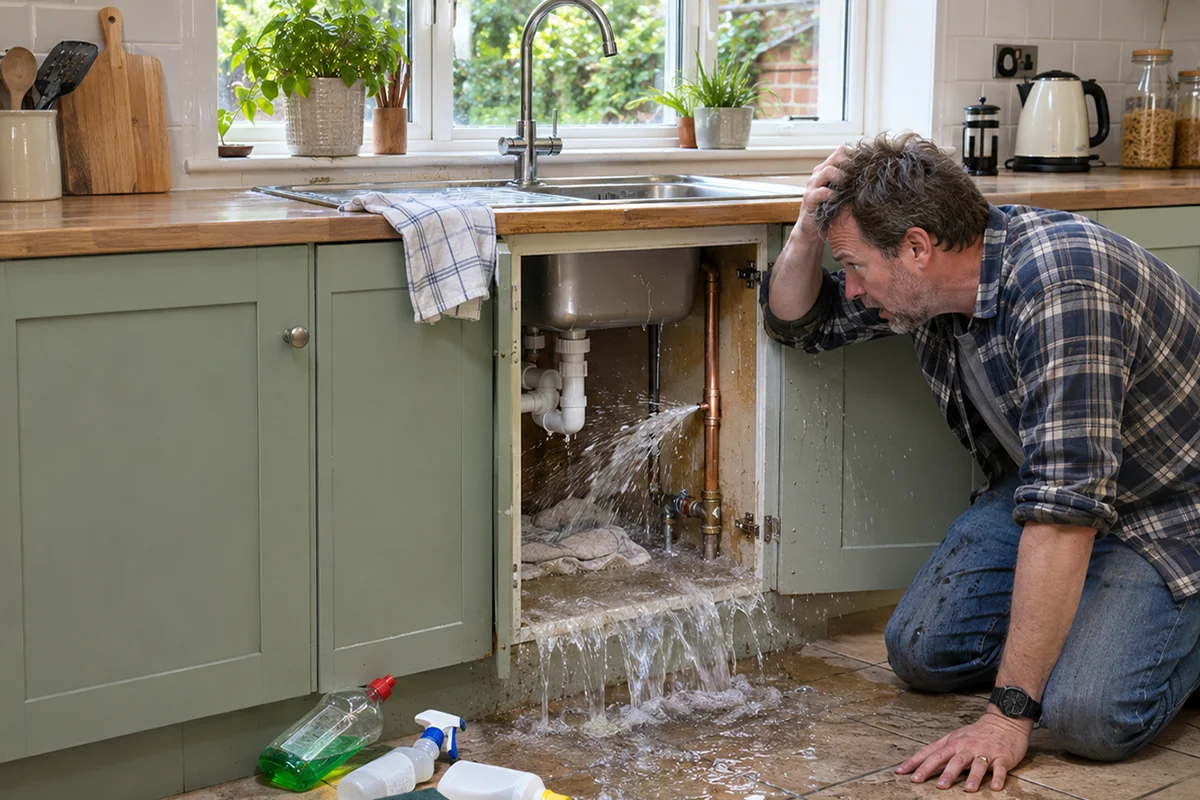
Knowing where your stopcock is can help you act quickly and limit water damage. At Nick Parris Heating Services, we encourage homeowners across Reading and the surrounding areas to find theirs before they need it.
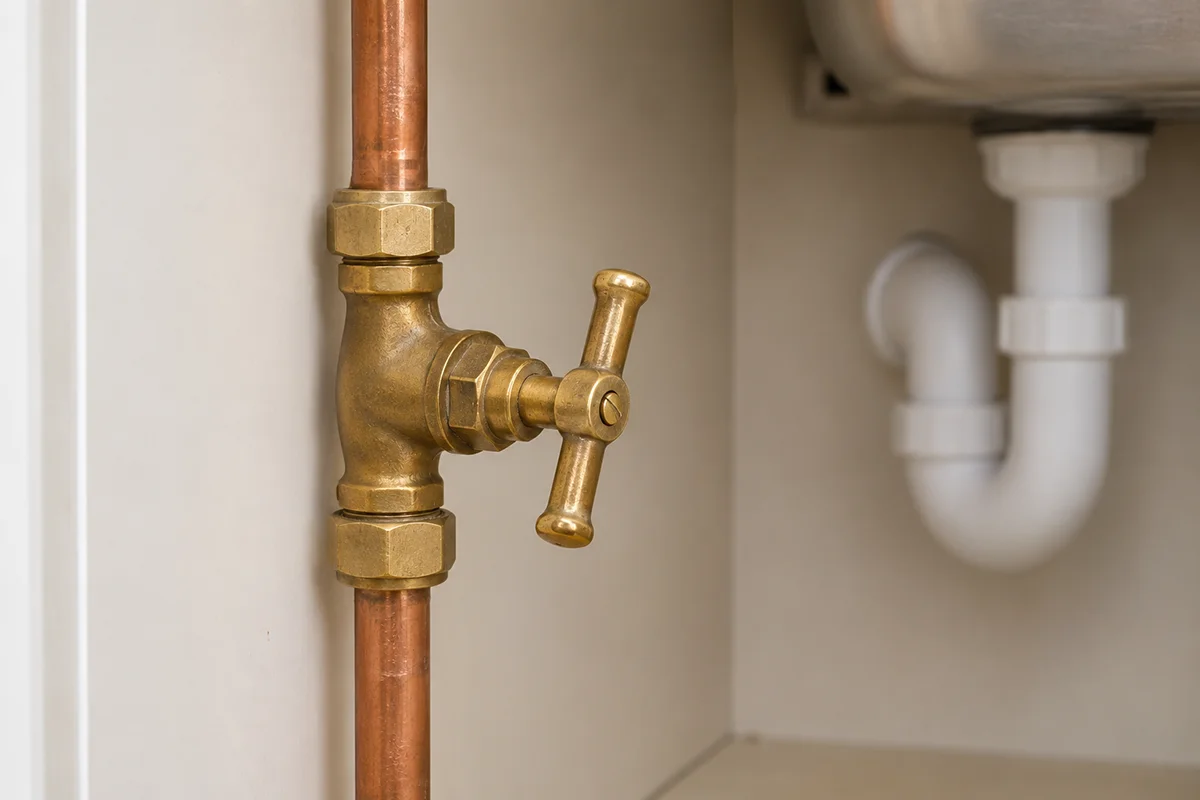
Your internal stopcock, also called a stop tap or stop valve, controls the incoming mains water supply to your home. Closing it allows you to shut off that supply when there is a leak or plumbing work needs doing.
It is different from the smaller isolation valves that control water to individual fittings, such as a toilet or basin. Those can allow one fitting to be isolated while the rest of the home still has water.
Under the kitchen sink is a good starting point. However, the valve may be in a utility room, garage, downstairs cupboard or near the front door. It is generally positioned close to where the mains water pipe enters the property.
In flats, the arrangement can be different. There may be a valve serving your individual flat as well as a communal supply valve. If you are unsure which is yours, check with your landlord, managing agent or a plumber before operating it.
For a traditional stopcock with a tap style handle, turn it slowly clockwise to close it. Use gentle hand pressure and stop if it will not move. Forcing a stiff valve can damage it.
To check that it works, open a cold tap supplied directly from the mains, usually the kitchen cold tap. The flow should reduce and stop once the remaining water has cleared from the pipework. Afterwards, close the tap and slowly reopen the stopcock by turning it anticlockwise. Check around the valve for any drips.
Some homes have a lever valve or a separate water shut off control instead. If yours looks different, we can help identify it and explain how it operates.
A handle that will not turn, a valve that leaks when touched or water that continues flowing after it is closed all deserve attention.
Avoid trying to force it with tools. We can assess the valve and advise on repair or replacement. Finding the problem during a planned check gives us the opportunity to resolve it before you need to shut off the supply urgently.
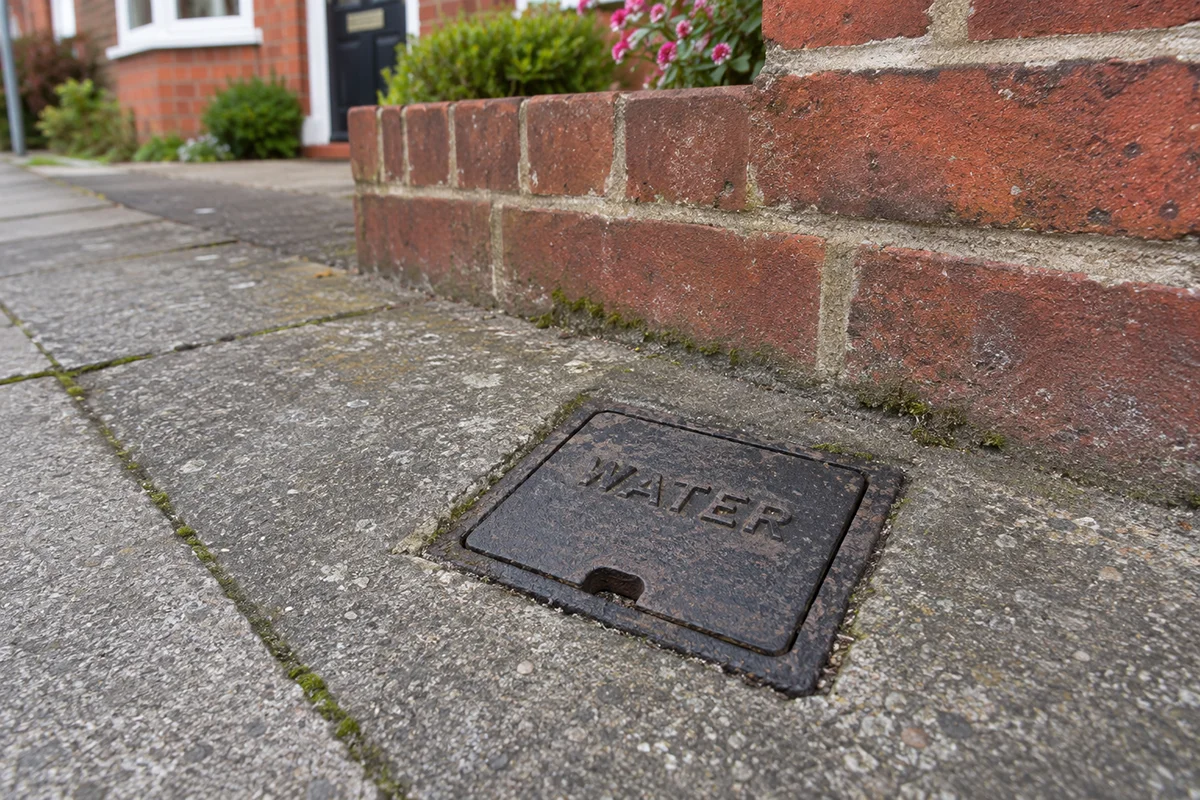
There is often an external stop valve near the property boundary, sometimes in the same chamber as the water meter. However, we recommend knowing how to use your internal valve as the main way to isolate your home.
An external valve may serve neighbouring properties too. If your internal valve is unavailable during a leak, contact your water supplier or a plumber for guidance on safely isolating the supply.
Once you have found your stopcock, keep access clear and make sure everyone in the household knows where it is. Check periodically that it operates gently and does not leak, rather than leaving it untouched until an emergency.
If yours is difficult to reach, we can also advise on options for making the water supply easier to shut off.
Need help finding or replacing your stopcock? Contact Nick Parris Heating Services for practical plumbing support in Reading and the surrounding towns.
Some water may remain in the pipes and take a short time to drain away. If your home has a water storage cistern or hot water cylinder, stored water may also continue supplying certain outlets. However, if a mains fed cold tap keeps running without slowing down, the valve may not be closing properly. We can check it and advise on the next step.
The internal stopcock is generally the property owner’s responsibility. If you rent your home, report a stiff, leaking or faulty valve to your landlord or managing agent. We can inspect the problem and carry out the necessary repair or replacement once authorised.
Depending on your pipework and available space, we may be able to improve access, reposition the valve or install a suitable water shut off control. We assess the existing arrangement before recommending a practical option, particularly if reaching the valve involves kneeling, stretching or moving heavy items.
We recommend checking it regularly rather than waiting for a leak. Thames Water advises a monthly check of the internal stop valve. Operate it gently, confirm that it shuts off the incoming supply and check for drips afterwards. If it feels stiff or starts leaking, stop and contact us for advice.

Nick Parris has more than 25 years of experience in plumbing, boiler installation and heating services, helping homeowners across Reading and the surrounding areas keep their homes warm, efficient and reliable.
As a Gas Safe registered heating engineer and Worcester Bosch accredited installer, Nick combines practical, hands on experience with straightforward advice. Our Help and Advice articles are written to give homeowners clear, useful information based on the questions and heating problems we deal with every day.